

There is a lot of confusion, questions, and misinformation about those types of gems, especially between Natural and Synthetics. And the main question is: Why should I pay more if this is the same thing?
Seems to be a valid question, but they are not the same thing!
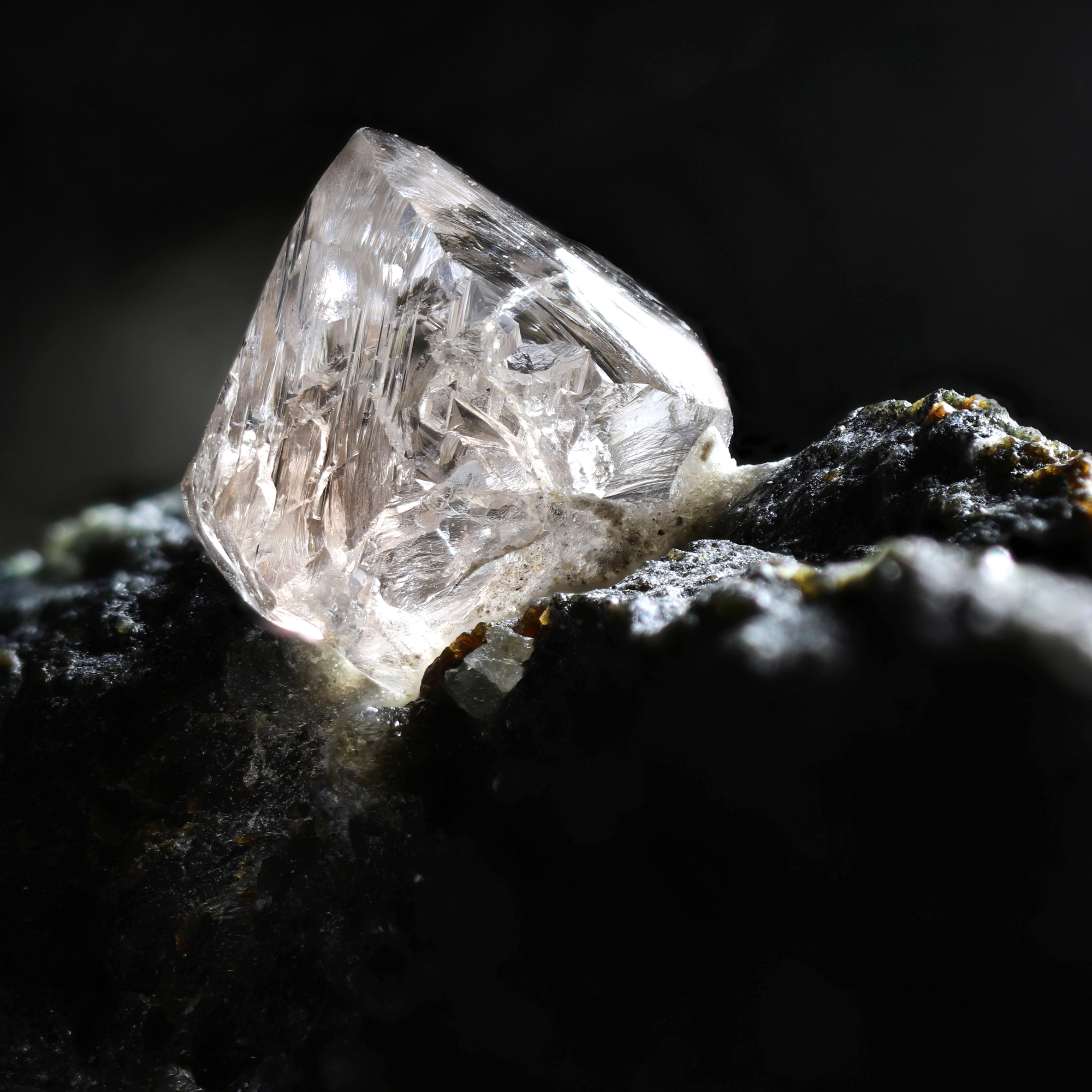
A natural rough diamond. A process that takes billions of years to complete. For 1ct of gem quality Diamond it takes over 200 tons of ore, which is barely 0.0001%
Natural gemstones are a product of the Earth, and were formed by a natural arrangement of atoms, called crystallization. These are processes that took earth billions of years to complete, making each gemstone unique, rare, and finite.
For e.g., for 1ct of gem quality Diamond it takes over 200 tons of ore, which is barely 0.0001% of the ore. And, to put it in a better perspective, a Tanzanite is considered 1000 times rarer than a Diamond with only one mining location, which is almost depleted, in the globe.
Synthetic is made by replicating those earth conditions in a laboratory and has been around since the 19th century (1st Ruby was created in 1887). This stone possesses the same chemical, physical, and optical, properties of a natural stone. Nevertheless, it can be identified as lab grown by a gemstone expert or by a gemological laboratory, with the use of proper identification equipment.
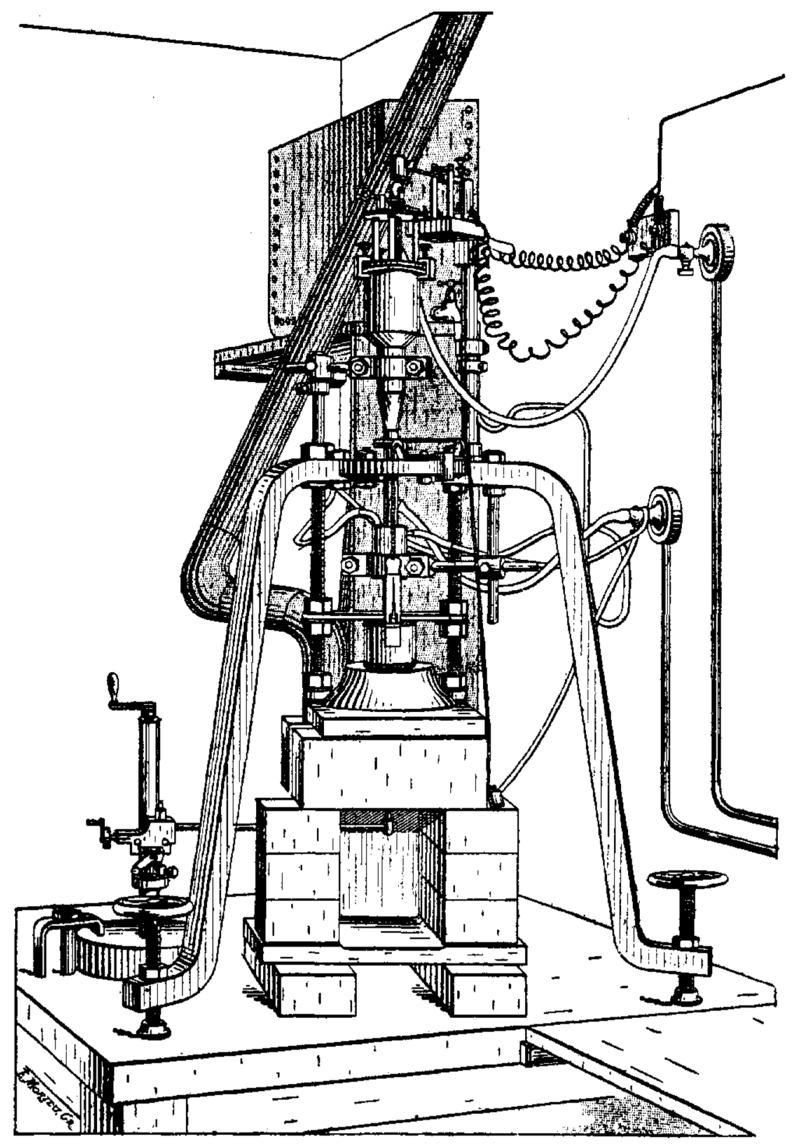
An early sketch of a Verneuil torch, used by Verneuil for the production of rubies using the Verneuil process. Taken from "Synthesis of Precious Stones" by I.H. Levin, first published in May 24, 1912
Although they can replicate the chemical/physical/optical properties, it is important to highlight that they are mass production stones, with offers often exceeding demand, and therefore cannot hold their value.
There are several known lab grown stones in existence including Alexandrite, Diamond, Emerald, Opal, Quartz, Ruby, Sapphire, and Spinel.
Lastly imitations are materials from a different origin e.g., Glass, Cubic Zirconia (CZ), Plastic, Resin, etc. only imitating the natural stone. These materials are often inexpensive and have a low lifespan.
Selling your natural gemstones = Get in touch
Selling your synthetics and imitations = Good luck
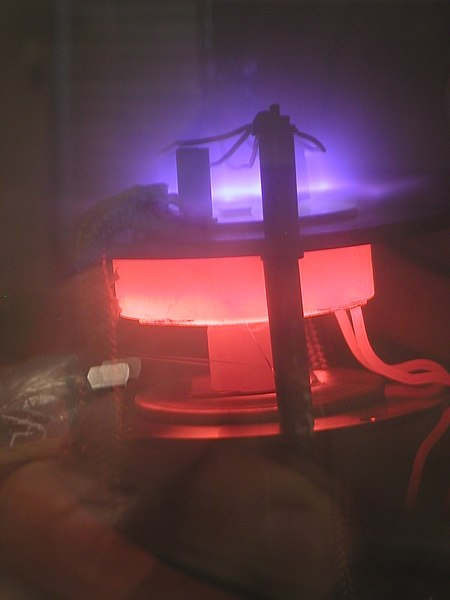
Laboratory-grown diamonds may not always be as sustainable as some claim. The manufacturing process, which lasts a few weeks, is energy- intensive, requiring temperatures similar to 20% of that of the Sun’s surface. Over 60% of laboratory- grown diamonds are mass-produced in China and India where 63% and 74% of grid electricity is generated from coal. Source: the Natural Diamond Council
Natural Synthetic and Imitation Gemstones
Looking for a certified stone? Shop certified gemstones with our stone finder.